
8+
Years Of Experience
Airflow That Reaches Every Room Consistently
Ductwork in Big Sky for uneven temperatures and weak airflow throughout your property
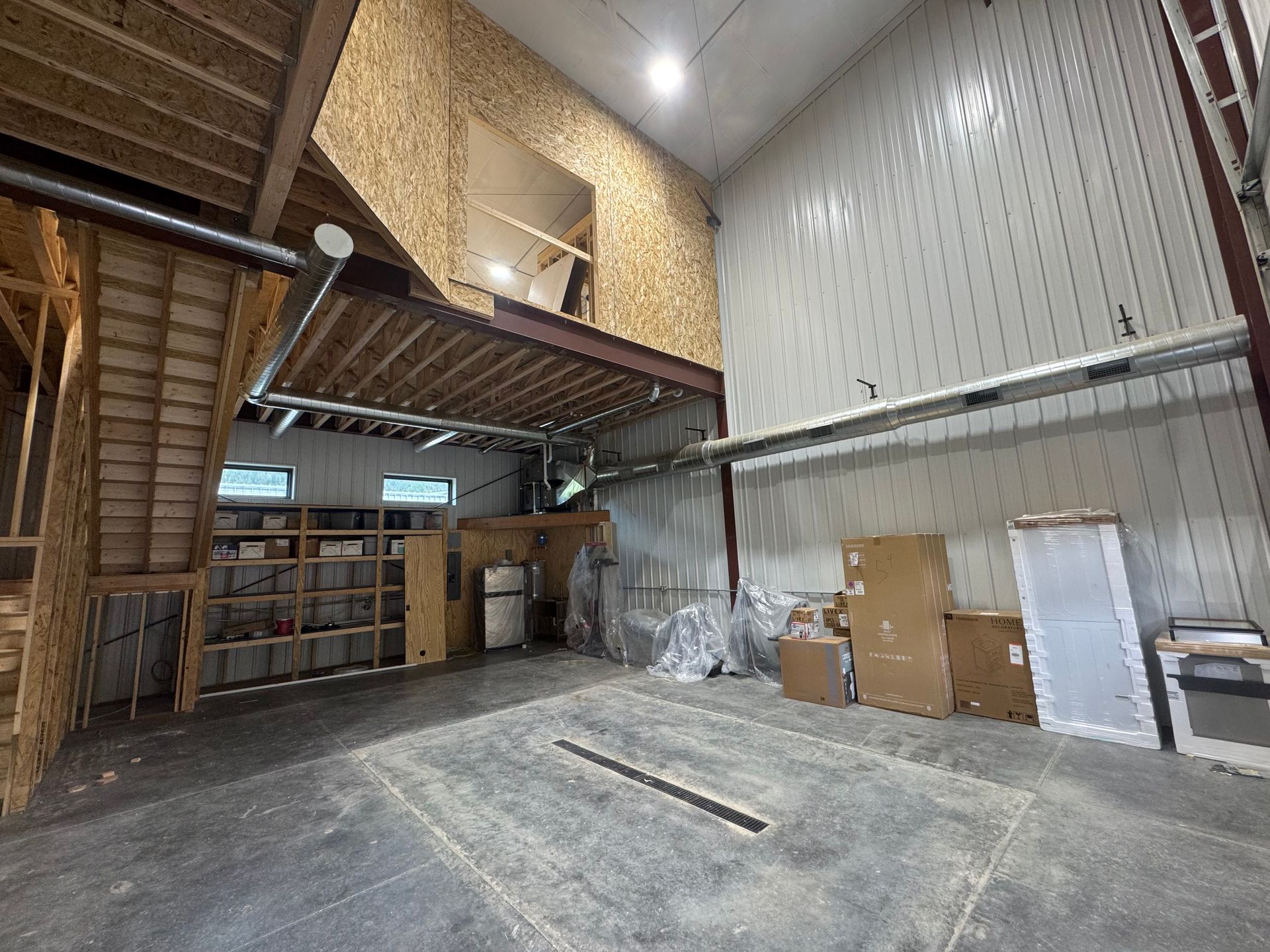
Woodys HVAC provides ductwork in Big Sky for residential and commercial properties where conditioned air fails to reach certain rooms or arrives with noticeably reduced force. When ductwork leaks, collapses, or was never sized correctly for the building layout, you notice hot and cold spots that shift depending on which room you enter. Properly functioning ducts deliver consistent airflow to every zone, allowing your HVAC equipment to maintain the temperatures you set without running longer cycles or working harder than necessary.
Ductwork involves designing, installing, repairing, sealing, or modifying the sheet metal or flex duct pathways that carry heated or cooled air from your HVAC unit to individual rooms and back through return vents. Poor duct design creates pressure imbalances that force some rooms to receive excess air while others barely get any, and leaks in unconditioned spaces like attics or crawlspaces waste energy by releasing treated air before it reaches living areas.
Schedule a ductwork inspection to identify leaks, sizing issues, or damaged sections affecting your system performance.
Why Ductwork Design Affects Comfort and Efficiency
Duct installation begins with calculating the cubic feet per minute of airflow each room requires based on its size, window exposure, and insulation levels, then sizing trunk lines and branch ducts to deliver that volume without excessive velocity or pressure drop. Sealing joints with mastic or metal-backed tape prevents conditioned air from escaping into wall cavities or attic spaces, and insulating ducts in unconditioned zones reduces heat gain in summer and heat loss in winter.
Once ductwork is sealed and properly sized, you notice that rooms reach set temperatures at the same rate, the HVAC system cycles off after shorter run times, and less dust circulates through the air because negative pressure no longer pulls particles through unsealed return leaks. Energy bills typically drop because the system no longer compensates for lost airflow by running continuously, and equipment longevity improves when static pressure stays within the manufacturer's specified range.
Duct modifications for remodels or additions require extending existing trunk lines and balancing airflow with dampers or resizing sections to maintain proper static pressure across the entire system. Replacement becomes necessary when ducts have deteriorated from moisture exposure, sustained physical damage, or decades of use that left inner linings torn and outer jackets compressed.
What Customers Ask About Ductwork Service
Customers in Big Sky often ask about duct-related issues before scheduling inspections or installations, particularly when they notice performance changes after years of stable operation.
What causes uneven temperatures between rooms?
Leaks in supply ducts reduce airflow to distant rooms, undersized ducts create excessive velocity and noise, and missing or inadequate return vents prevent proper air circulation back to the HVAC unit, leaving some zones starved for conditioned air.
How does duct sealing improve energy efficiency?
Sealing joints and connections with mastic prevents conditioned air from escaping into unconditioned spaces like attics or crawlspaces, which means your HVAC system delivers more of the air it produces to living areas and runs shorter cycles to maintain set temperatures.
When should ductwork be replaced instead of repaired?
Replacement is warranted when ducts show widespread rust perforation, inner lining has separated and blocks airflow, flex duct has compressed from age and lost its shape, or the original design was never adequate for the building's square footage and layout.
What signs indicate ductwork problems?
Weak airflow from certain vents, excessive dust accumulation on surfaces, whistling or rattling noises during system operation, rising utility bills without increased usage, and rooms that never reach thermostat settings all point to duct leaks, blockages, or design flaws.
How are ducts sized for new construction or additions?
Sizing follows Manual D calculations that account for room volume, heat gain and loss, insulation levels, and the distance air must travel from the air handler, ensuring each branch delivers adequate cubic feet per minute without creating pressure imbalances that strain equipment.
Woodys HVAC offers ductwork inspection, sealing, repair, and installation services designed to restore balanced airflow and support efficient HVAC operation. Request an evaluation to determine whether your system needs sealing, modifications, or complete duct replacement based on current performance and building requirements.